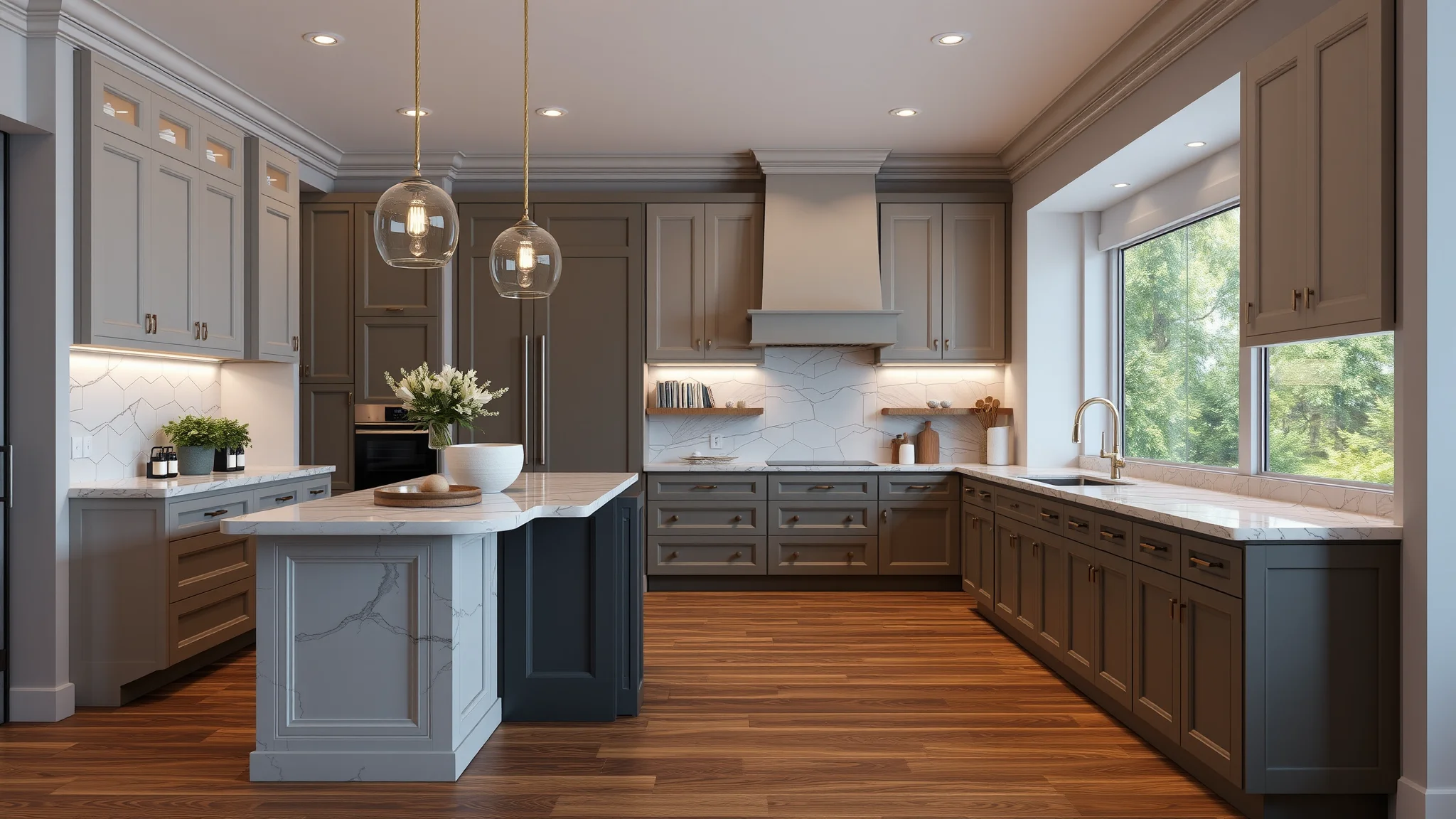

Motion Sensor Lighting for Accessible Bathrooms | Enhance Safety & Convenience
Why Is Motion Sensor Lighting Essential for Accessible Bathrooms?
Creating a safe and comfortable environment in your home, especially in areas like bathrooms, is paramount. As we age or face mobility challenges, traditional lighting systems may no longer suffice. This is where motion sensor lighting for accessible bathrooms steps in as a transformative solution. By detecting movement and automatically illuminating the space, this technology reduces the risk of falls and enhances independence for all users.
Implementing motion sensor lighting isn't just about convenience; it’s a holistic approach to improving safety, reducing energy wastage, and creating an inclusive environment where everyone can thrive without unnecessary barriers.
How Does Motion Sensor Lighting Improve Safety in Bathrooms?
Motion sensor lighting offers real-time benefits that significantly contribute to bathroom safety, especially for seniors, individuals with disabilities, or those recovering from injury. The primary advantages include:
- Preventing Falls: Automatic lighting eliminates the need to fumble for switches in the dark, reducing slip-and-fall incidents.
- Enhancing Visibility: Bright, instant illumination enhances visibility of obstacles or wet surfaces.
- Facilitating Independence: Users can navigate their bathroom seamlessly without assistance, preserving dignity and autonomy.
- Reducing Accidents: Quick response lighting helps prevent accidental bumps or mishaps during nighttime visits.
- Energy Efficiency: Lights are only on when needed, conserving energy and lowering utility costs.
Absolutely. Modern motion sensor lighting systems are designed for easy retrofitting, making them suitable for both new build and renovation projects. For those interested in upgrading or remodeling, exploring options during a bathroom renovation can optimize safety features with minimal disruption.
What Features Should You Look for in Motion Sensor Lighting Systems?
Choosing the right system depends on specific needs and preferences. Look for features such as:
- Adjustable Sensitivity: Ensures the lights activate only when necessary, avoiding false triggers.
- Automatic Dimming or Brightness Control: Provides appropriate lighting levels to suit daily activities.
- Long-Lasting Bulbs & Eco-Friendly Options: LED technology offers longevity and energy savings.
- Ease of Installation: Wireless or plug-in systems reduce complexity.
- Compatibility with Smart Home Devices: Integration with voice assistants or automation platforms for enhanced control.
Some common Challenges include false triggers from pets or fluctuating lighting conditions. To mitigate these, selecting systems with adjustable settings or pet sensors can improve reliability and user satisfaction.
How Can You Design an Inclusive Bathroom With Motion Sensor Lighting?
Creating a holistic, accessible bathroom involves thoughtful planning. Consider:
- Strategic Placement of Sensors: Position sensors near entry points, shower areas, and sinks for comprehensive coverage.
- Complementary Features: Combine motion sensor lighting with grab bars, non-slip flooring, and accessible fixtures.
- Consistent Lighting Levels: Use adjustable brightness to accommodate user preferences and needs.
- Aesthetic Balance: Select fixtures that complement existing bathroom decor while maintaining functionality.
Collaborating with experienced home remodeling contractors can ensure seamless integration of safety features during renovation projects.
Are There Regulations or Standards for Motion Sensor Lighting in Bathrooms?
While specific regulations may vary by region, safety standards emphasize the importance of adequate lighting in moist environments. Key guidelines include:
- Ensuring electrical components are rated for damp or wet locations.
- Using motion sensors with proper IP (Ingress Protection) ratings to prevent water ingress.
- Maintaining appropriate placement and height to optimize sensor detection without causing glare or inconvenience.
Working with certified electricians and remodeling professionals ensures compliance with local building codes and safety standards.
What Are Real-Life Success Stories of Motion Sensor Lighting in Bathrooms?
Many homeowners have experienced transformative benefits through installing motion sensor lighting. One case involved a family renovating their aging parent’s bathroom to boost safety. Post-installation, they reported a significant reduction in fall incidents and increased peace of mind. Similarly, a rental property owner upgraded bathrooms to appeal to elderly tenants, resulting in higher satisfaction and reduced maintenance concerns.
These stories exemplify how thoughtful integration of technology can foster a safer, more inclusive home environment.
How Do You Start Planning Your Bathroom Remodel With Motion Sensor Lighting?
Begin with a comprehensive assessment of your bathroom’s current layout and safety needs. Consult with experienced professionals who specialize in home remodeling for dummies to explore options suited to your lifestyle. Develop a detailed plan that blends accessibility, aesthetics, and functionality, considering:
- Appropriate sensor placement for maximum coverage.
- Compatibility with existing fixtures and future upgrades.
- Energy-saving options that align with your sustainability goals.
Partnering with reputable remodelers like Premier Home Builders of Florida ensures the project adheres to safety standards and design excellence.
What Are Some Additional Tips for Maintaining and Using Motion Sensor Lighting?
Proper maintenance and user awareness are essential for continued safety and efficiency. Regularly check sensors for dust or obstructions, replace bulbs before they burn out, and adjust sensitivity settings as needed. Educate household members about how the system works to prevent accidental disruptions or misuse.
Consistent upkeep guarantees that the system functions optimally, providing peace of mind for all users.
Conclusion: Embrace a Holistic Approach to Bathroom Safety
Integrating motion sensor lighting for accessible bathrooms is a proactive step towards fostering a safe, inclusive environment that prioritizes comfort and independence. By thoughtfully planning, selecting the right features, and working with skilled remodelers, you can transform your bathroom into a haven of safety while enhancing the overall harmony of your home.
For comprehensive guidance on bathroom renovations and accessibility solutions, consider exploring additional resources or consulting with specialists at Premier Home Builders of Florida. Embrace a holistic approach that values safety, aesthetics, and well-being — your home’s most vital elements.
Yes, modern motion sensor lighting systems are adjustable, allowing you to customize sensitivity and brightness. Proper placement and calibration ensure they activate only when needed, providing convenience without false triggers.
Most motion sensor lights utilize LED technology, which consumes less power than traditional bulbs. They only operate when movement is detected, significantly reducing energy bills and environmental impact.
While some systems are designed for DIY installation, consulting a licensed electrician or professional remodeler ensures safety, proper placement, and compliance with electrical standards. This investment can optimize performance and longevity.