Pros and Cons of Quartz vs Granite Countertops | Expert Comparison
Which Surface Suits Your Lifestyle: Quartz or Granite? A Modern Perspective
When embarking on a kitchen or bathroom renovation, selecting the right countertop material is a critical decision that influences both aesthetics and functionality. Among the top contenders are quartz and granite—natural and engineered surfaces that bring unique qualities to your space. Understanding the pros and cons of quartz vs granite countertops helps homeowners make choices aligned with their lifestyle, budget, and design preferences.
What Are the Main Differences Between Quartz and Granite Countertops?
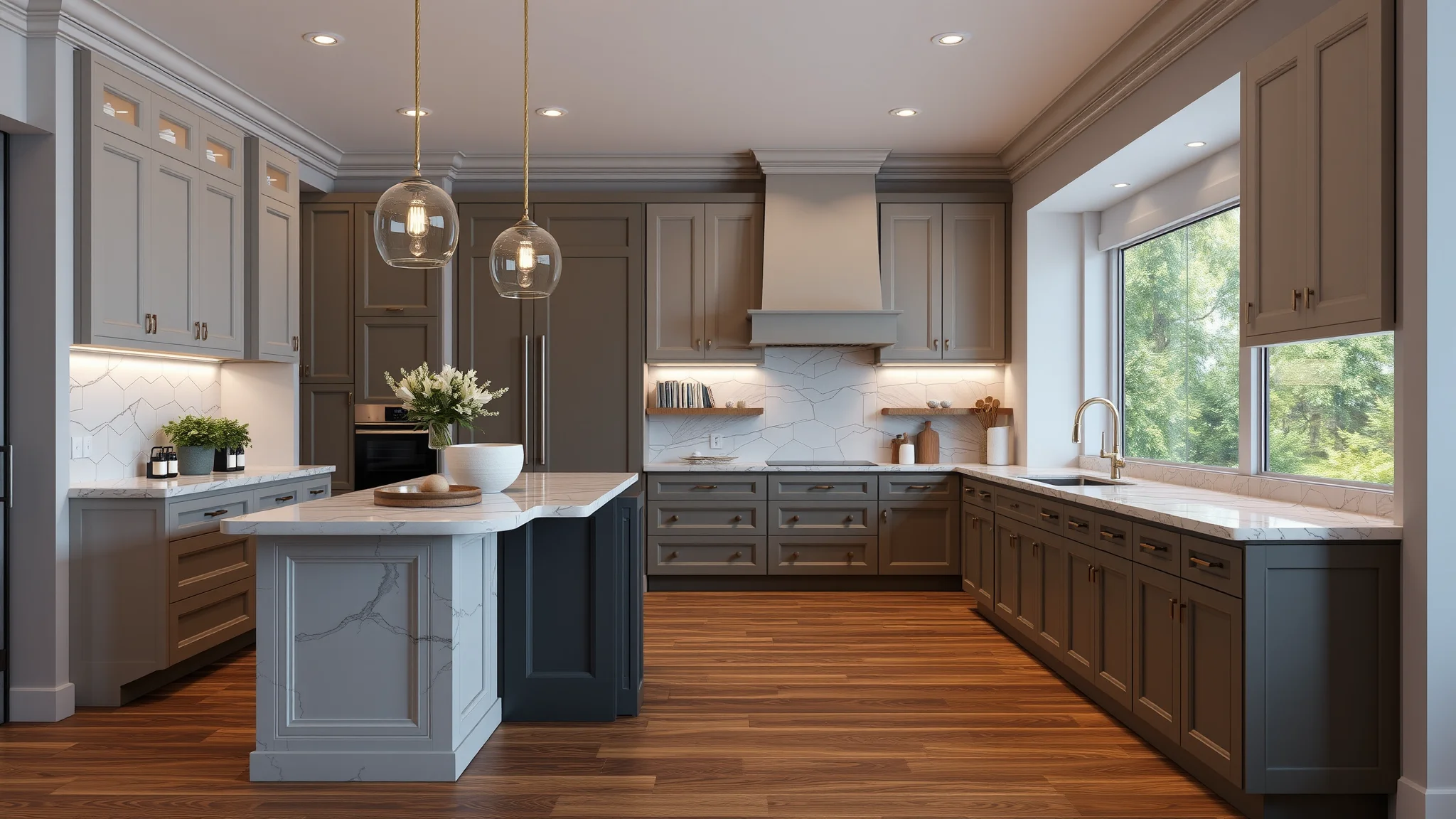
Before diving into the specifics, it's essential to grasp the fundamental differences. Luxury kitchen remodels often highlight countertops as the centerpiece—either quartz or granite. Quartz is a man-made engineered surface consisting of crushed quartz mixed with resin, while granite is a natural stone formed over millions of years. Each has its distinct visual appeal, maintenance needs, and durability profile.
What Are the Advantages of Quartz Countertops?
- Consistency in Appearance: Quartz offers a uniform look because of its engineered process. If you desire a sleek, contemporary aesthetic, quartz provides a seamless, consistent color palette that complements modern design trends.
- Low Maintenance: Due to its non-porous surface, quartz resists staining, mold, and bacteria. Regular cleaning with soap and water is sufficient, making it ideal for busy households.
- Durability and Resistance: Quartz is highly resistant to scratches, chips, and heat, although you should still use trivets for hot cookware. Its resilience ensures longevity even in high-traffic kitchens.
- Wide Range of Colors and Patterns: Engineered quartz offers a broad spectrum of shades, veining, and finishes, giving homeowners flexibility in design choices.
What Are the Limitations of Quartz Surfaces?
- Susceptibility to Heat Damage: While quartz is durable, excessive exposure to direct heat can cause discoloration or damage. Using hot pads is advisable.
- Cost Implications: Quartz tends to be more expensive than some granite options, especially premium varieties. Budget considerations should factor into the decision.
- Environmental Concerns: Some engineered quartz surfaces contain resins that emit volatile organic compounds (VOCs). Opting for brands with eco-friendly formulations can mitigate this issue.
- Limited Heat Resistance: Unlike granite, quartz's resin binders may be affected by high temperatures, making placement of hot pots directly on the surface risky.
Why Do Many Homeowners Favor Granite Countertops?
- Natural Beauty and Unique Patterns: Each slab of granite is one-of-a-kind, featuring intricate veining and color variations that add character and sophistication to kitchens and bathrooms.
- Heat Resistance: Granite can withstand high temperatures, making it suitable for cooking areas where hot pots and pans are frequently used.
- Resilience Against Stains and Damage: With proper sealing, granite becomes resistant to stains and scratches, maintaining its pristine appearance over time.
- Value Addition: As a natural stone, granite often elevates the aesthetic and market value of your home, which is a significant consideration for many homeowners.
What Are the Challenges of Choosing Granite Countertops?
- Porosity and Maintenance: Granite is porous by nature, requiring regular sealing to prevent stains from oils, wine, or other liquids.
- Potential for Cracks and Chips: While durable, granite can crack or chip if subjected to heavy impacts or improper installation.
- Inconsistency in Appearance: Variability in slabs can sometimes lead to mismatched patterns or color inconsistencies, which may require selection and planning.
- Environmental Impact of Quarrying: The extraction process has ecological considerations; choosing sustainably sourced slabs supports eco-friendly initiatives.
How Do Maintenance Requirements Differ Between Quartz and Granite?
Maintenance plays a crucial role in preserving the beauty and functionality of your countertops. Quartz's non-porous surface makes it particularly resistant to stains and mold, requiring only simple cleaning with mild soap and water. Its low porosity means sealing is generally unnecessary, easing upkeep.
Granite, on the other hand, demands regular sealing—typically once a year—to keep it resistant to stains. Using cutting boards and trivets also protects its surface from scratches and heat damage. When properly maintained, granite can last for decades, but it does require a bit more attention than quartz.
Which Surface Offers Better Value for Your Investment?
While quartz may come with a higher initial price tag, its lower maintenance costs and consistent appearance can make it a cost-effective solution in the long run. Granite's natural beauty and durability also justify its premium, especially when selecting high-quality slabs. The decision often hinges on personal preferences, budget, and lifestyle needs.
What Design and Style Considerations Should Influence Your Choice?
Quartz's versatility in color and pattern options suits contemporary, minimalist, or sleek designs. Its consistent look creates a uniform backdrop that complements modern kitchen appliances and cabinetry.
Granite's natural variability lends warmth and character to traditional, rustic, or eclectic styles. Its unique veining can serve as a focal point, adding visual interest and charm that natural stone provides.
What Should You Know About Installation and Sourcing?
Proper installation is vital for both quartz and granite to ensure longevity and safety. Partnering with experienced kitchen remodel contractors who understand local building codes and have a track record with countertop installation can make a significant difference. Verify material sourcing, especially for granite, to ensure sustainability and quality.
Which Countertop Material Is Right for Your Florida Home?
Florida's humid climate and exposure to sunlight can affect material longevity. Quartz's resistance to moisture makes it suitable for humid environments, while granite's natural properties withstand moisture if properly sealed. Consider the daily use, cleaning routines, and ambient conditions when deciding.
Are There Environmental or Eco-Friendly Options to Consider?
Both quartz and granite can be sourced sustainably. Look for brands that offer eco-friendly quartz with low VOC emissions. In the case of granite, opt for slabs harvested locally or from suppliers committed to responsible quarrying practices. Incorporating environmentally conscious materials aligns with a modern, eco-aware lifestyle.
Frequently Asked Questions About Quartz vs Granite Countertops
Both surfaces are highly durable; quartz resists scratches and stains better due to its engineered nature, while granite is known for its natural strength and heat resistance. Proper maintenance extends their lifespan significantly.
Professional installation is strongly recommended for both materials to ensure safety and quality. Precise cutting, sealing, and fitting are crucial and require expert skills.
Quartz's resistance to scratches, stains, and easier maintenance make it ideal for high-traffic spaces. However, with proper care, granite also performs well in busy kitchens.
Assess your lifestyle, aesthetic preferences, budget, and regional climate factors. Consulting with experienced contractors can provide personalized advice to help you make the best decision.
Conclusion: Making the Optimal Choice for Your Florida Home
Understanding the pros and cons of quartz vs granite countertops enables you to align your selection with your home's design, functional needs, and environmental values. Whether you prefer the low-maintenance, uniform appearance of quartz or the natural beauty and heat resistance of granite, both options have their merits.
For assistance with your renovation project or to explore options that best suit your lifestyle and preferences, consider reaching out to Premier Home Builders of Florida. Our expert team guides you through material selection, design planning, and implementation to create a space that reflects your unique style.