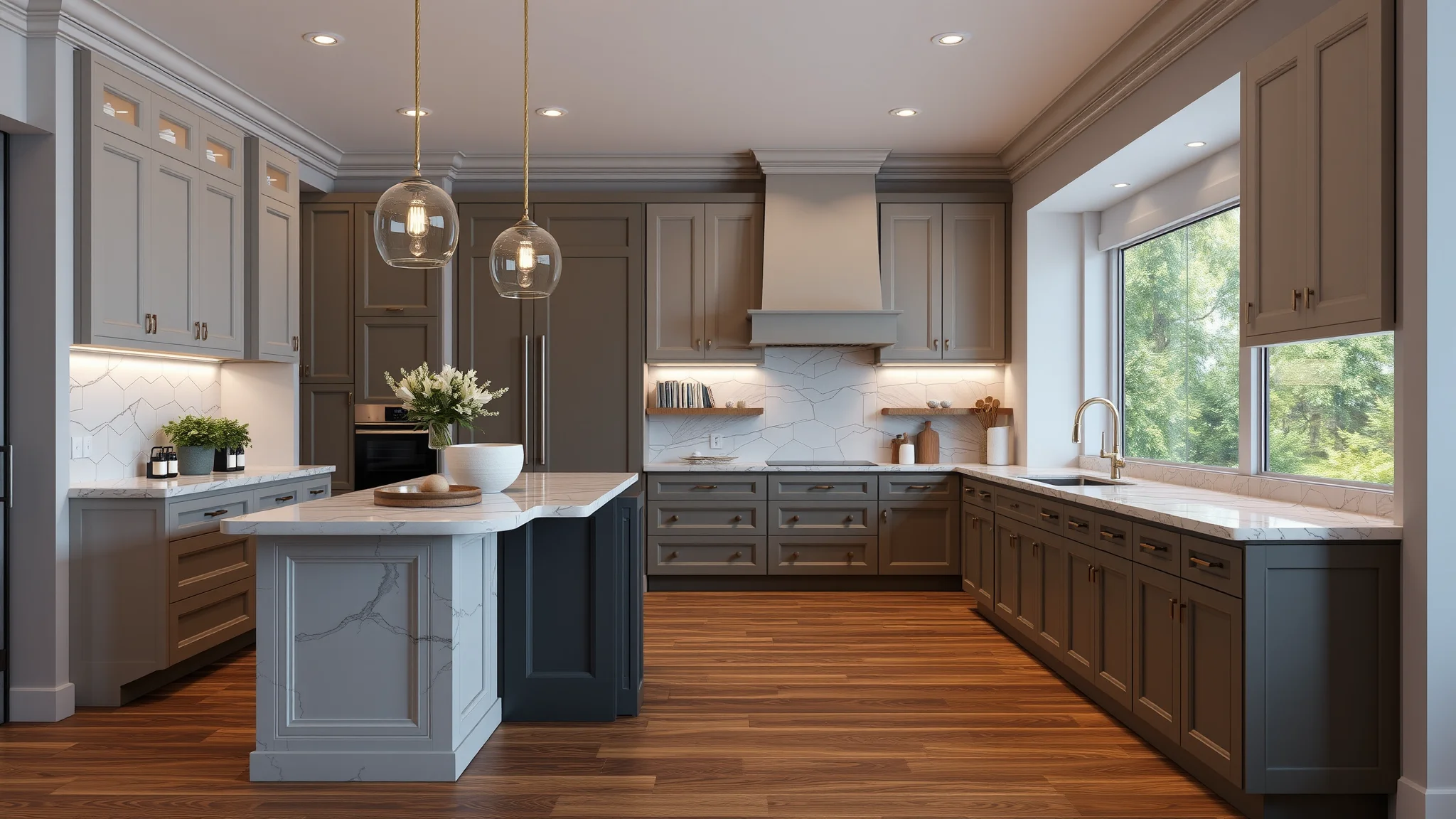

Kitchen Cabinets Dimensions: Complete Guide for Perfect Fit
Why Are Kitchen Cabinets Dimensions So Crucial to Your Renovation? Here's What I Learned
As someone who's walked the winding road of kitchen renovation, I can tell you—getting those kitchen cabinets dimensions right is *everything*. It’s like the backbone of your entire project. Honestly, I used to think measuring was just a basic step, but I learned it’s so much more than that. It's about creating a harmonious space that’s functional, beautiful, and tailored perfectly to your needs. Today, I want to share my biggest secrets about kitchen cabinets dimensions—secrets that could save you time, money, and frustration.
What Are the Standard Kitchen Cabinets Dimensions and Why Do They Matter?
When I first started planning my kitchen remodel, I assumed that all cabinets came in standard sizes. Turns out, that's only partially true. Standard kitchen cabinets dimensions provide a solid foundation, but understanding the nuances can make or break your design. For base cabinets, most are about 24 to 36 inches wide, with depths around 24 inches, and heights typically 34.5 inches without a countertop. Wall cabinets are usually narrower, about 12 to 36 inches wide, and mounted 54 to 60 inches from the floor, depending on ceiling height and preferences.
Getting these measurements right ensures your appliances, doors, and drawers fit seamlessly. Trust me, small miscalculations can lead to big headaches—like doors that don't open fully or countertops that don't line up perfectly. This is why precise measurement is your first step towards a stunning and functional kitchen.
How Do I Measure My Kitchen Cabinets Properly? My Step-by-Step Method
Here’s the honest truth—measuring your kitchen for cabinets isn’t as straightforward as just grabbing a tape measure. I learned by trial and error that a detailed, methodical approach is essential. Here’s how I do it:
- Start with a sketch: Draw a rough layout of your kitchen, noting wall lengths and existing structures.
- Measure wall lengths: Use a tape measure to get the exact length of each wall—not relying on existing cabinets or appliances.
- Identify obstacles: Note electrical outlets, plumbing, or windows that might affect cabinet placement.
- Determine cabinet heights and depths: For base cabinets, measure from the floor to the countertop height you desire—typically 36 inches total, including the countertop. For wall cabinets, measure from the floor to the ceiling, then subtract allowance for crown molding or molding heights.
- Account for clearance: Leave about 1-1.5 inches between cabinets and walls for fillers and for ease of installation.
My secret? Always double-check measurements and use a second person to verify. Nothing beats precise, verified measurements when it comes to fitting cabinets perfectly.
Are Custom Cabinets Worth It in Terms of Dimensions and Fit?
Absolutely. While standard kitchen cabinets dimensions work well for many, my experience tells me that custom cabinets are often the better choice, especially for unique spaces or specific needs. If you’ve got an unusual kitchen layout or want to maximize storage, custom cabinetry can be built precisely to your specifications, ensuring every inch is utilized effectively.
Moreover, custom kitchens—like those I helped design in [Hernando County, Florida](https://premierhomesflorida.com/post/custom-kitchen-design-and-build-hernando-county-florida)—allow for tailored kitchen cabinets dimensions that fit perfectly with your lifestyle, giving a seamless, high-end finish that standard options can’t match.
How Do I Incorporate Practical Design Tips with Accurate Dimensions?
Getting the kitchen cabinets dimensions right is only half the battle. The other half involves integrating them into a functional, aesthetically pleasing design. Here’s what I’ve found works best:
- Follow the 15-inch rule: Leave at least 15 inches of space between the countertop and the bottom of wall cabinets for comfortable access.
- Plan for workflow: Place cooking and prep areas along the work triangle—sink, stove, refrigerator—and ensure cabinet sizes support this flow.
- Consider accessibility: For those with mobility issues, incorporating motion sensor lighting for accessible kitchens can be a game-changer. Proper cabinet placement and dimensions improve usability for everyone.
What Are Common Mistakes When Measuring Kitchen Cabinets, and How Can I Avoid Them?
Trust me—I've made almost all the rookie mistakes. The biggest is relying on a single measurement or not accounting for irregularities like wall curves or uneven flooring. To avoid these pitfalls:
- Always measure multiple times at different points—doors and drawers often have slight variations.
- Use a laser measuring device if possible for accuracy.
- Keep detailed notes and sketches to cross-check measurements during installation.
Making these adjustments can save you from costly rework or misfitting cabinets, which nobody wants.
Can I Use My Skills to DIY Measure and Plan My Kitchen Cabinets?
While I admire DIY spirit, I recommend working with professionals for critical measurements, especially for complex layouts. However, learning how to measure accurately and planning based on kitchen cabinets dimensions can empower you significantly. Quality planning ensures you communicate your vision effectively and reduces surprises during installation.
After all, collaborating with experienced kitchen remodel contractors in Inverness, Florida, can make all the difference. They bring expertise in measuring, design, and installation, turning your dream kitchen into reality.
What Are The Latest Trends in Kitchen Cabinets Dimensions and Design?
Modern kitchens feature some exciting trends in kitchen cabinets dimensions and design. Floor-to-ceiling cabinetry maximizes storage, especially when combined with smart organizational insertions. Shallow depth wall cabinets, about 12 inches deep, open up space visually and allow for creative display options.
Another trend is incorporating open shelving units with standard-sized cabinets, blending practicality with style. In terms of dimensions, adjustable shelves and customizable widths are becoming more popular, allowing homeowners to adapt their space as needed.
How Do I Maximize Storage Without Sacrificing Style?
This has been a game-changer for me. Properly measuring kitchen cabinets dimensions enables you to optimize storage and maintain sleek aesthetics. For example, deep drawers for utensils, pull-out shelves for spices, and corner cabinets utilizing lazy Susans mean you’re making the most of every inch.
Don’t forget to explore options like kitchen remodel planning during the off-season—it’s an excellent time to implement innovative storage solutions without disrupting your daily routine.
What Should I Keep In Mind When Choosing the Right Kitchen Cabinets Dimensions?
Key factors include ceiling height, appliance sizes, and overall kitchen footprint. It’s critical to tailor your kitchen cabinets dimensions to your unique space, not just default to standard sizes. Keep in mind room clearance, door swing paths, and ergonomic considerations—these small details make a big difference.
For guidance tailored to U-shaped kitchens or other specific layouts, check out [this detailed article](https://premierhomesflorida.com/post/kitchen-remodel-u-shaped) on optimizing cabinetry for U-shaped designs.
How Important Is Professional Help in Measuring and Installing Kitchen Cabinets?
From my experience, hiring professional kitchen remodel contractors in Inverness, Florida, is invaluable. They ensure precise measurements, proper alignments, and a flawless finish. Their expertise in selecting the best dimensions for your space and style is worth every penny. It allows you to enjoy your new kitchen without stressing over uneven cabinets or installation errors.
Frequently Asked Questions About Kitchen Cabinets Dimensions
The standard height for base cabinets is approximately 34.5 inches, with a countertop height of 36 inches, including the countertop material. Wall cabinets are typically mounted 54 inches from the floor, but this can vary based on ceiling height and countertop thickness.
Base cabinets are generally 24 inches deep, providing ample space for most appliances and storage. Wall cabinets tend to be shallower, around 12-15 inches deep, to maintain visual balance and accessibility. Custom dimensions can be created for specific needs.
Absolutely! Custom cabinetry allows you to specify any dimensions needed to fit unconventional spaces, maximize storage, or match particular design visions. Working with an expert ensures your cabinets will be tailored perfectly to your layout.
Final Thoughts: Take Control of Your Kitchen Cabinets Dimensions
Understanding kitchen cabinets dimensions is a vital step toward designing a kitchen that’s both beautiful and functional. It’s about precision, planning, and knowing when to seek expert advice. Don’t rush this phase; take your time measuring accurately, exploring your options, and imagining the perfect workflow in your space.
If you’re feeling overwhelmed or unsure about how to proceed, remember—professional help is just a consultation away. Partnering with experienced readers like Premier Home Builders of Florida can transform your kitchen into a masterpiece that reflects your personality and lifestyle.
So go ahead—measure twice, plan carefully, and create a kitchen that feels made just for you. Your dream kitchen is within reach, and understanding kitchen cabinets dimensions is the first step in making that dream come true.